
March 1, 2026
Online Education Trends for 2026
)
Every year, Lessonspace surveys educators and tutoring companies in the online education space to understand the challenges, successes, and trends shaping the industry. This report explores eight key trends in online education for 2026, along with actionable steps you can take to make sure your tutoring business keeps up.
Trend 1: Virtual classroom usage is still rising
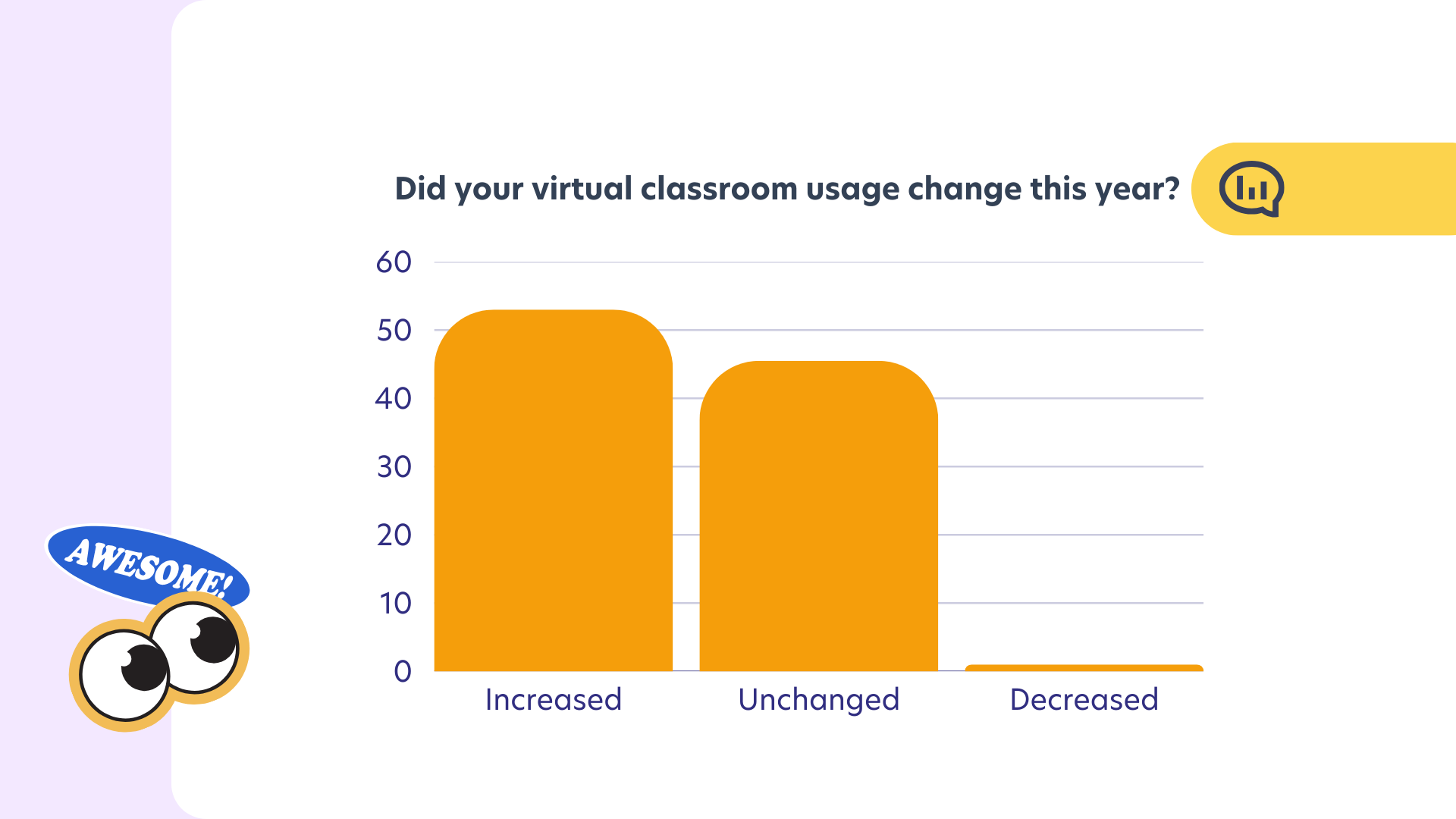
Just over half of respondents (53.2%) report increasing their use of virtual classrooms in the past year. This suggests that online education is not just stable: it’s still expanding, and educators are continuing to invest in virtual delivery rather than reverting to in-person instruction.
53.2% report increasing their use of virtual classrooms in the past year. 45.5% reported the same usage, and only 1.3% indicated a decrease.
Trend 2: Digital tools are now the default, not an add-on
63.3% say they always incorporate digital tools (whiteboards, breakout rooms, gamification, etc.) into teaching.
The baseline expectation for online teaching has shifted from “video call + worksheets” to a more interactive classroom stack. Platforms and educators alike are optimizing around participation, visibility, and feedback loops.
Trend 3: Virtual learning is improving learner engagement
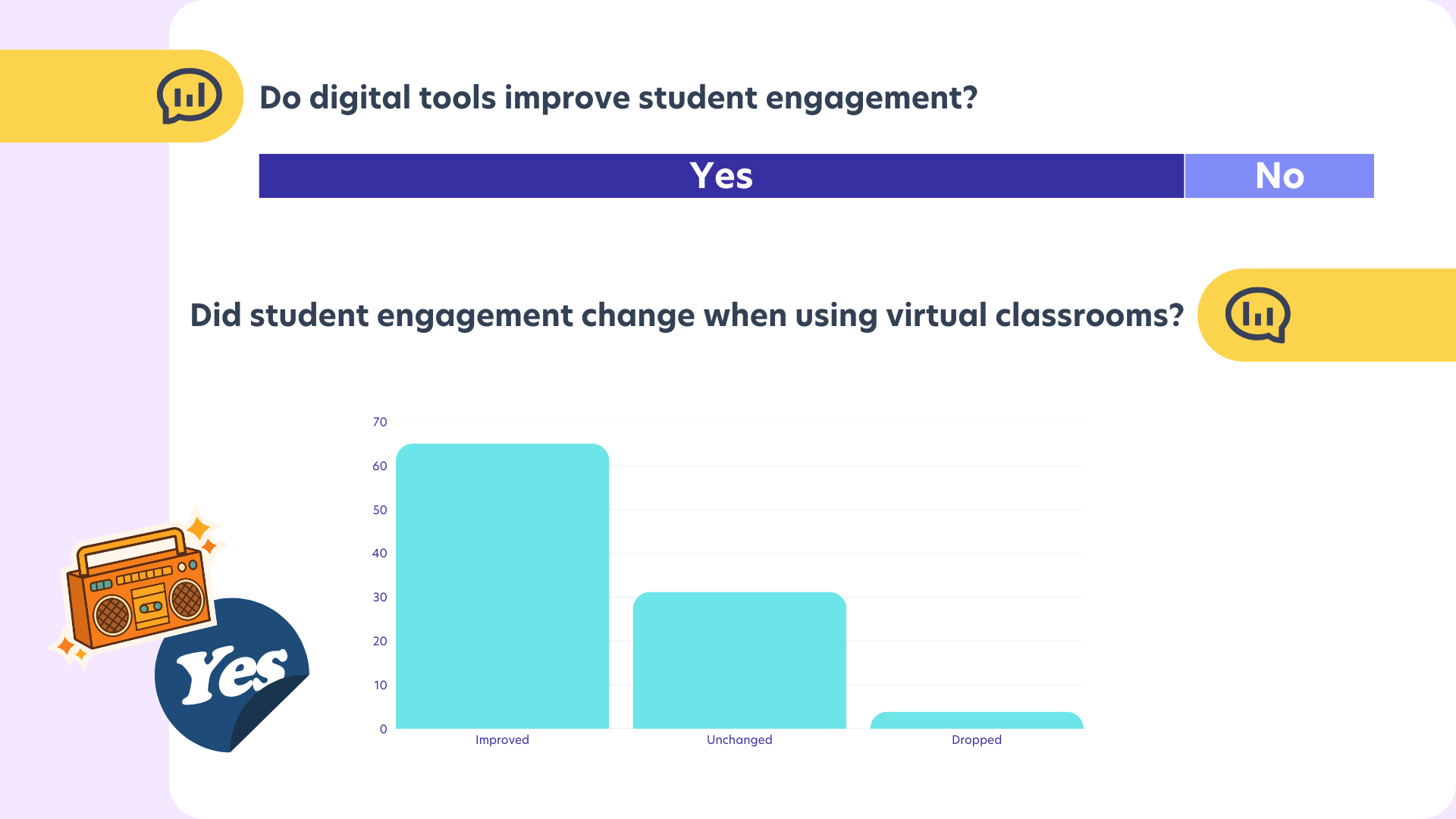
An overwhelming majority (83.1%) indicated that specific tools or features improve student engagement when using virtual classrooms.
Almost two-thirds (65%) of respondents indicated that student engagement improved with the use of virtual classrooms, with 29.9% indicating engagement “improved a lot”.
This is a clear signal that online education is no longer the “good enough” solution of the pandemic era, but a credible, high-impact learning environment in its own right.
Trend 4: Flexibility remains the core benefit of online teaching
“Flexibility and convenience” (42.9%) is the most valued benefit of online teaching. The next-biggest perceived benefit is “work-life balance” (19.5%) followed by “saves time” (10.4%) and Accessibility (7.8%).
Trend 5: Engagement drivers are interactive and visual
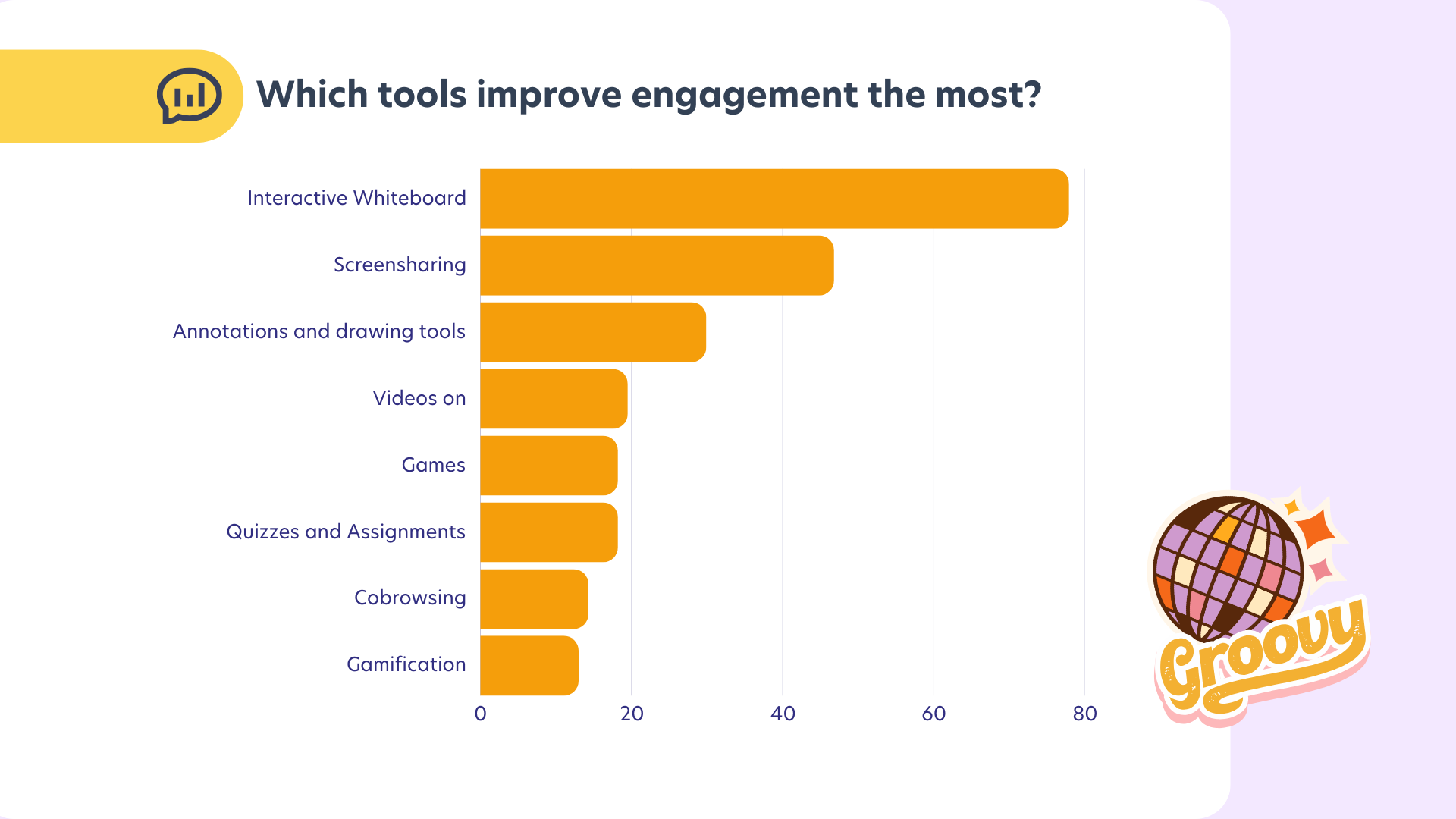
When educators were asked which features most improved engagement in their lessons, the interactive whiteboard stood out, with 78% of respondents selecting it.
Trend 6: AI tools are widely used...
31.6% of respondents believe that the increased use of AI will be the most significant change in education by the end of 2026.
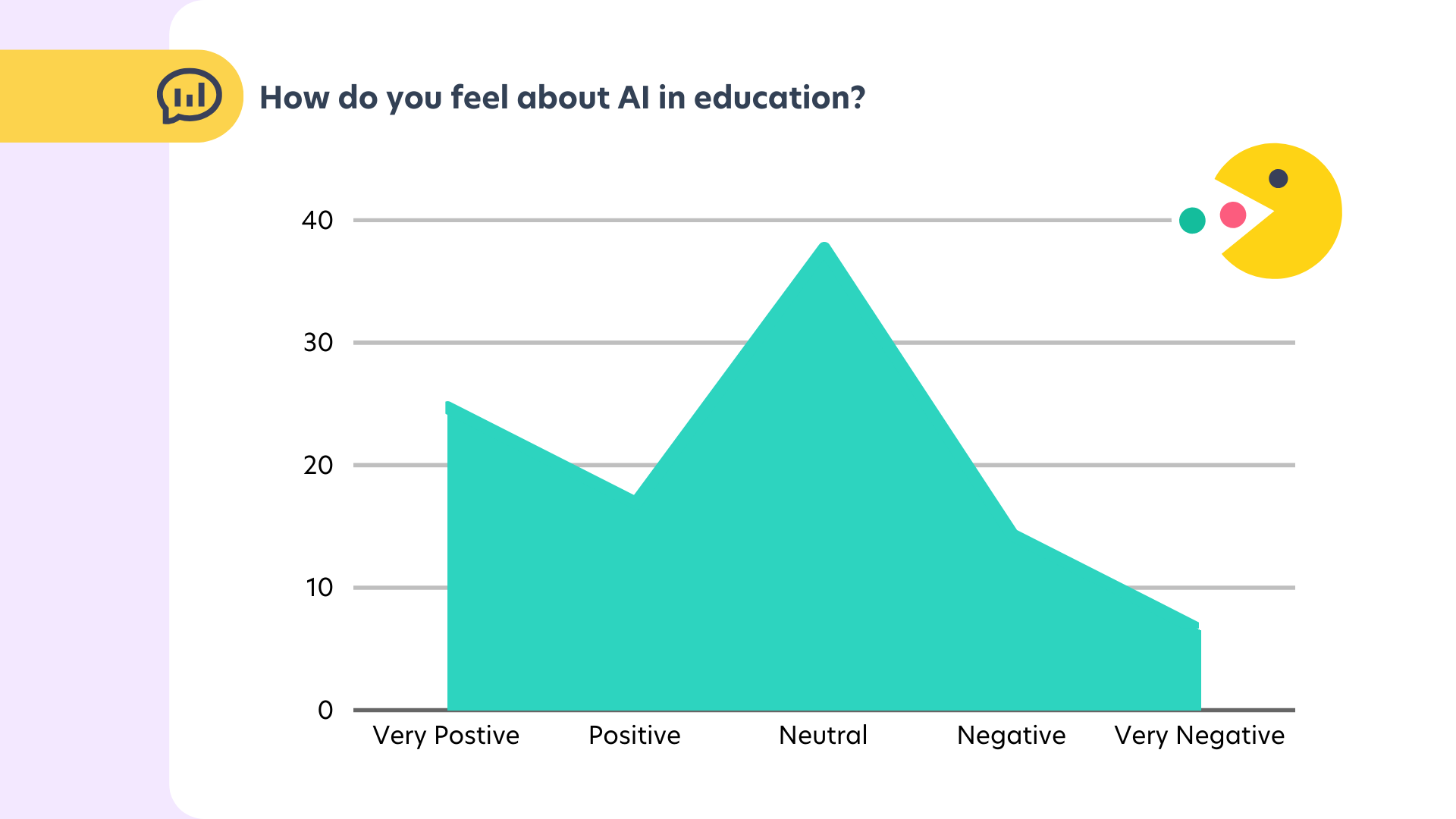
While there are mixed attitudes towards AI in education, most respondents report positive (37.7%) or neutral (41.6%) sentiment. Only 17.8% have a negative attitude towards AI in education, and of those only 6.5% report a strong negative attitude.
AI tools are widely used... and are being embraced
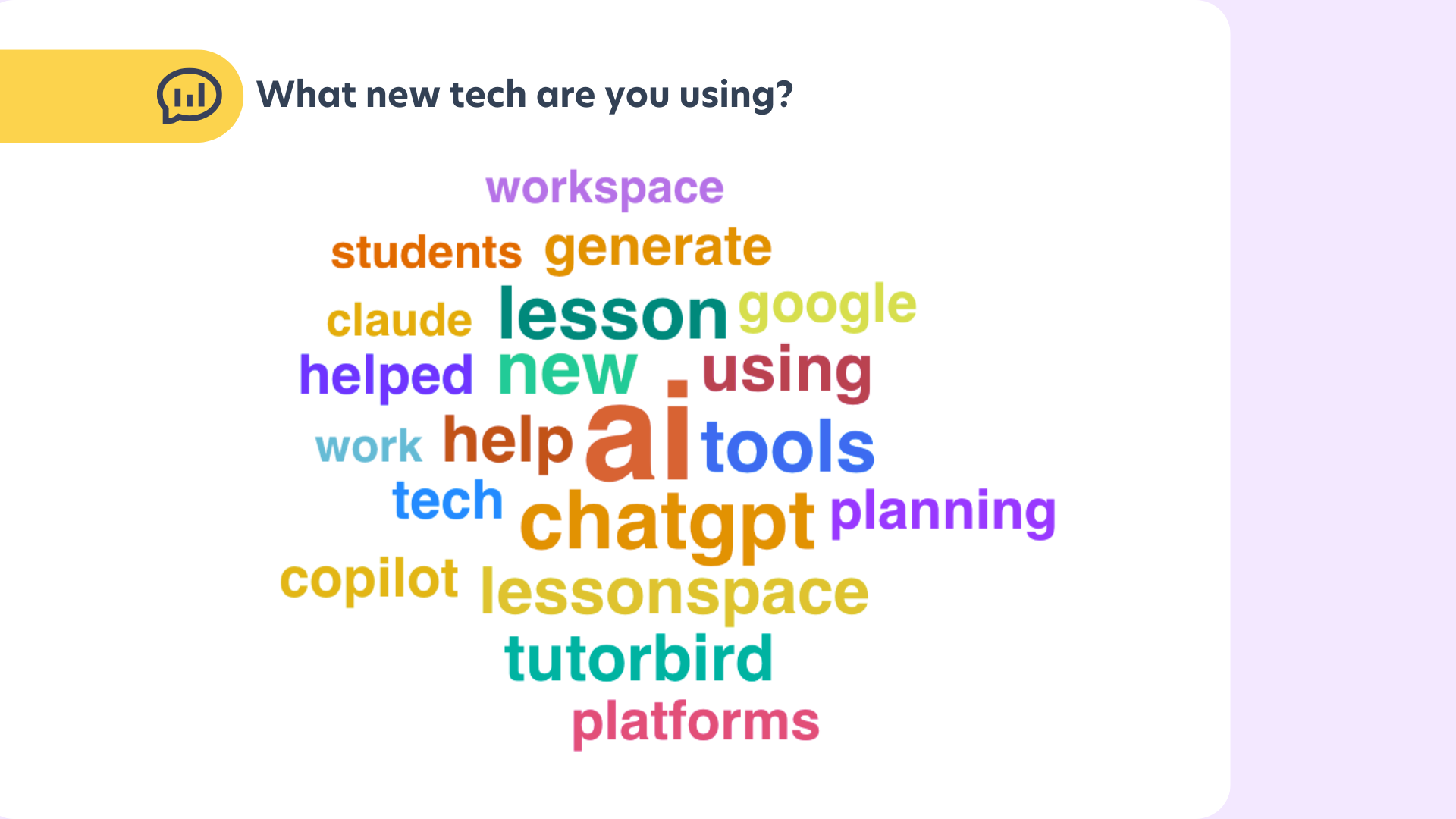
When asked which new tech they were embracing, the majority mentioned AI tools, with ChatGPT, Claude, and Copilot getting the most mentions. Many of the reported uses of AI were for generating lesson plans and saving time on administrative tasks.
AI isn’t changing what educators do. Rather, it’s changing how fast and how smoothly they do it. A massive 42.7% reported that this tech was saving them “hours every week”, while a further 50% stated that it was saving minutes to an hour a week. Only 7.5% reported no time savings.
Trend 7: The biggest barriers are practical, not philosophical
The single greatest obstacle educators encounter when teaching online is tech issues (23.1%). These are usually related to basic troubleshooting, such as granting permissions and ensuring the correct audio devices are used. A further 12.8% report connectivity issues as the biggest challenge.
11.5% say student focus is the biggest issue, and 6.4% say that it is easier or better to teach in person.
Trend 8: Demand for test prep and languages is on the rise
Educators anticipate the most growth in three subjects/areas: Core School Subjects (52.6%), STEM Subjects (53.8%), and Exam, Test, or Assessment Prep (52.5%).
Some respondents also expect growth in demand for Language learning (25.6%) and Business Studies (17.9%).
Recommendations for Success in 2026
Prioritize interactive teaching workflows: Invest in tools and habits that increase learner participation, like whiteboards, structured activities, visible thinking, etc.
Make time savings repeatable: Standardize lesson templates, reusable resources, and lightweight admin flows to save educators’ time.
Design for real-world constraints: Invest in backup power, be proactive about common troubleshooting issues, and use user-friendly tools designed for teaching online.
Follow the demand for skills: Test prep and languages appear to be growing; educators can align offerings and marketing accordingly.
Methodology and Sample
The respondents of the 2026 survey represent a diverse group of educators and education industry professionals. This year’s respondents were almost all tutors/teachers (91.1%), while the rest represented schools or tutoring companies.
About half (51.9%) of the respondents reside in North America, with Europe (26.6%) in second place.
Roles of Respondents
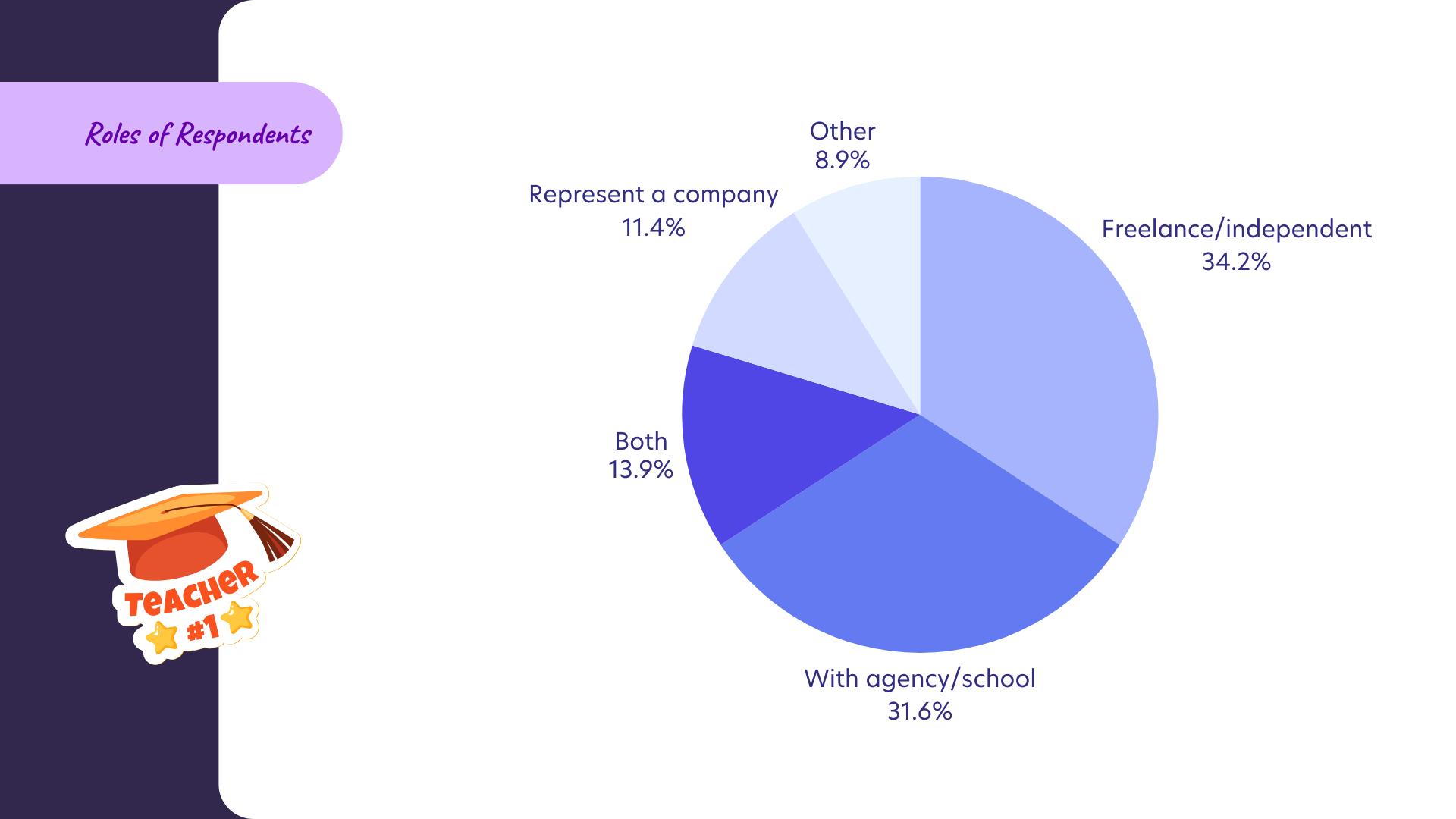
31.6% of tutors teach for an agency/school only; 34.2% are freelance/independent; 13.9% are both freelance and signed to agencies/schools; and 11.4% both represent a tutoring company and teach.
 Teaching Format
Almost two-thirds of respondents teach exclusively online (62.3%), while the next-biggest segment teaches mostly online (22.1%). Only 14.3% teach online and offline, and an even smaller portion teach mostly in-person.
Age Groups
The majority teach secondary (70.1%) and primary (54.5%) levels, with some representation in adult education (23.4%) and tertiary (26%). Pre-primary teaching was the least common (11.7%).
Subjects
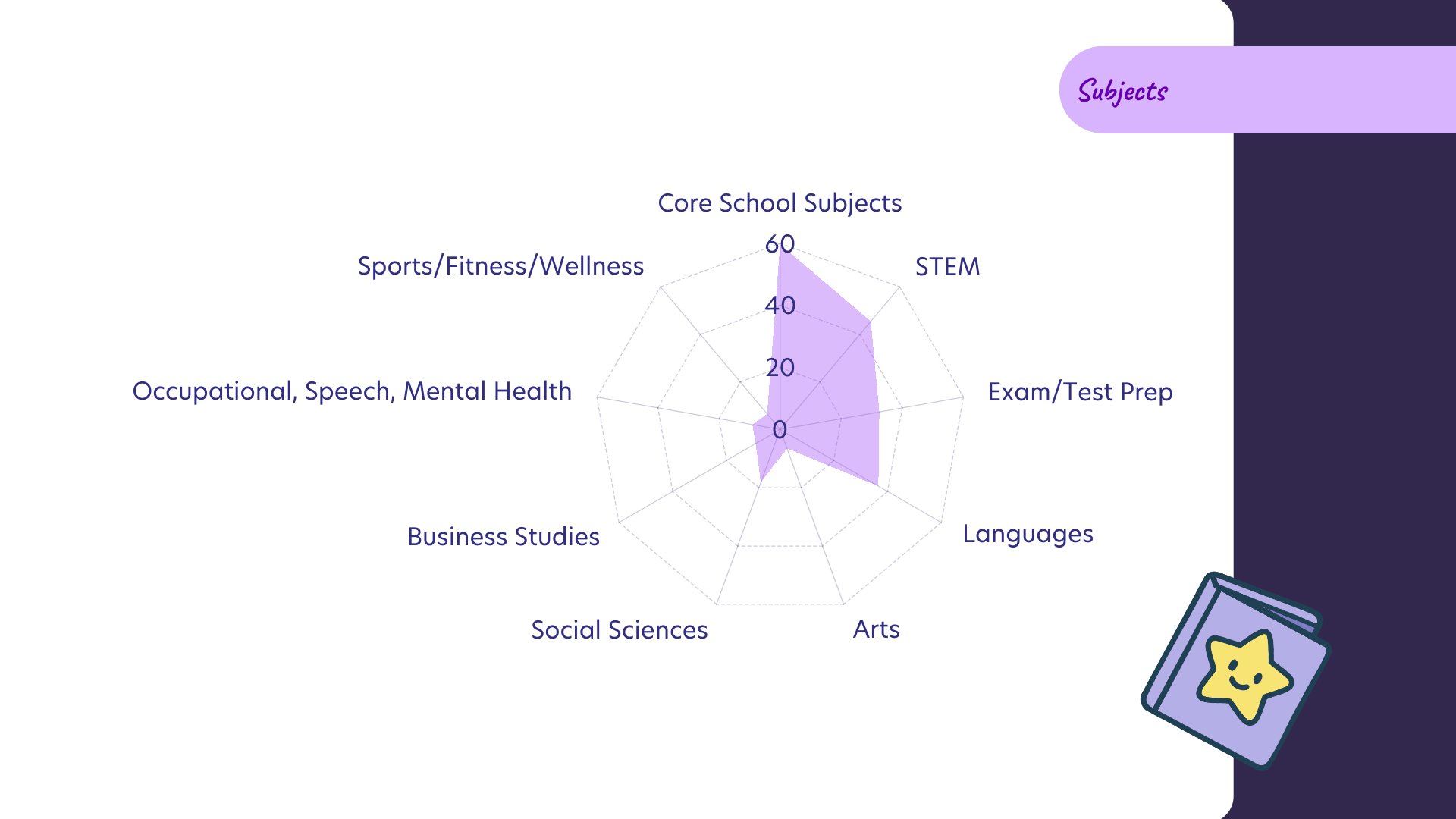
Subjects taught are clustered around core school subjects (59.7%), STEM (45.5%) and test prep (32.5%), with languages making up another significant chunk (27.3%). Most other subjects are smaller segments.
View and download the report as a PDF
No email address required - it's all yours!
View and download the PDF
